
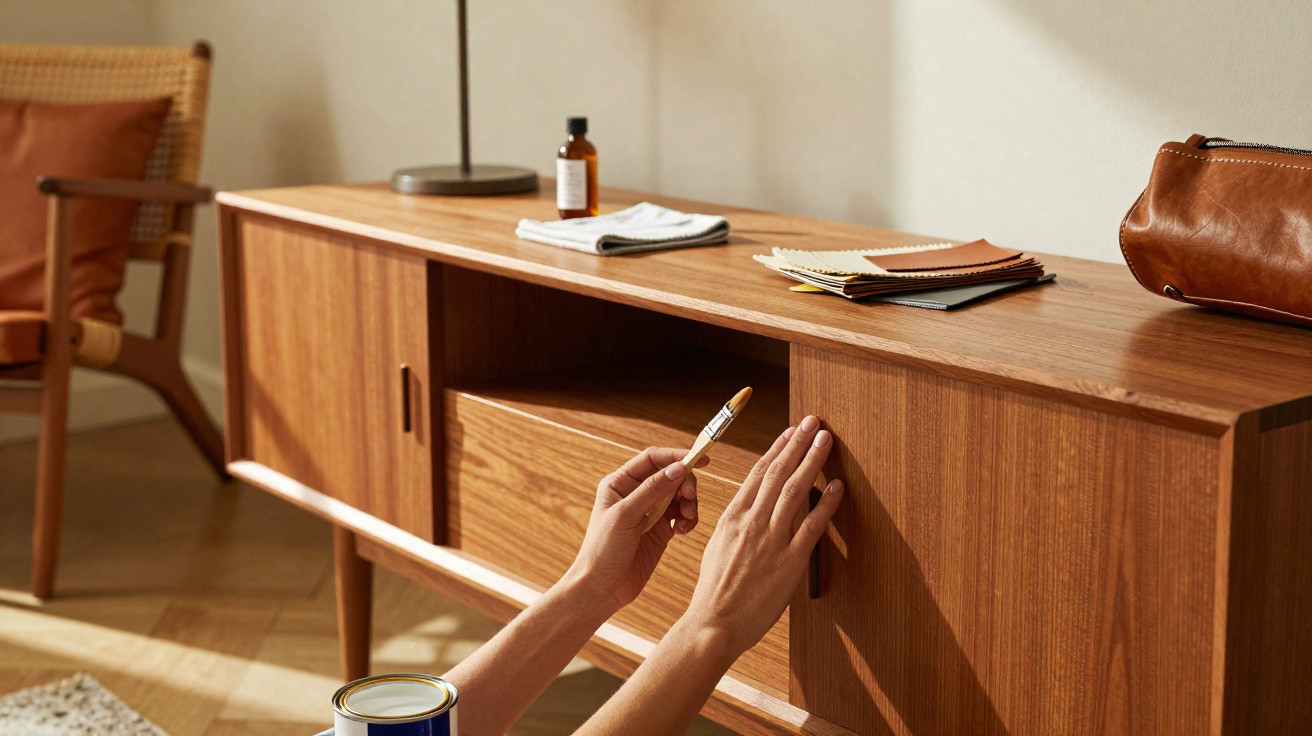
Some pieces of furniture simply do not take kindly to paint.
Social media is packed with before-and-after clips: an old sideboard, two coats from a roller, a new handle – and it is suddenly a “designer piece”. What looks instant in Reels and Shorts can turn into a minor disaster in real life. Painting certain furniture does not merely strip away its charm; it can destroy almost all of its value, both sentimental and financial.
When a paintbrush devalues family heirlooms
The most sensitive category is old solid-wood furniture and family heirlooms. These are precisely the pieces that make you think: “Dark, bulky, ugly – paint it beige and it will be fine.”
Many antiques lose up to 90 per cent of their market value when given a modern coat of paint – along with their history.
Antique dealers and restorers agree that collectors pay for original finishes, patina and minor imperfections. Each of these details reflects decades, and sometimes centuries, of use. An opaque layer of acrylic paint can erase those traces within minutes.
Typical high-risk pieces include:
- Sideboards and dressers made from solid oak or softwood, dating from the 19th or early 20th century
- Chests of drawers with traditional fittings, carved legs or marquetry
- Family furniture passed down through several generations
Even where the monetary value seems modest, an inherited china cabinet or old chest often carries a sentimental value greater than any sale price. Once it has been painted over, there is no easy return without extensive restoration – and even then, the surface will usually remain visibly compromised.
Mid-century design classics from the 1950s–1970s: never paint teak, walnut and similar woods
The second risk category is mid-century furniture, often made from teak, walnut or rosewood. Low sideboards, slim desks and delicate armchairs with wooden armrests are quickly turned into “Instagram projects” at flea markets.
This is where the costliest trap lies. Many such items are sought-after design classics, or at least heavily influenced by iconic designs. They are desirable in their original condition – but far less so in vivid petrol blue.
A 1960s sideboard can fetch several hundred to several thousand euros in its original condition – once covered in chalk paint, it is often worth little more than its raw materials.
What to do instead of painting:
- Clean gently with wood soap and warm water
- Use fine wire wool or an abrasive pad to revive old polishes
- Apply a suitable wood oil to bring out the grain and warm tones
- Repair edges or handles only where necessary, keeping the work as true to the period as possible
The key point is this: the less you alter the original material, the more appealing the piece remains to knowledgeable buyers – and the more timelessly it will sit within a modern home.
Characterful woods: paint literally takes away their identity
Furniture made from especially distinctive timbers is another category best left in its natural state. This includes:
- Walnut with a bold, dark grain pattern
- Aged oak with knots and cracks
- Rustic tables showing old nail holes or previous repair marks
These apparent “flaws” are exactly what makes such furniture appealing. They give it life, individuality and a sense of history. Paint works against that, like make-up applied as a full-face mask: nothing can be seen beneath it.
More suitable treatments include:
- Sanding lightly, only enough to remove dirt and remnants of old varnish
- Applying clear or subtly tinted oil to soften the tone rather than conceal it
- For very dark finishes, using lye treatments or specialist lightening products – ideally handled by a professional
Outdoor teak furniture: paint creates a moisture trap
Teak garden furniture is a special case. Over the years, its natural colour develops a silvery-grey cast, which many people dislike. The instinctive response is: “I’ll just paint it white.” That is exactly what causes damage.
Teak contains natural oils that protect the timber – opaque paint traps moisture and encourages rot.
A sealed paint layer cannot adapt flexibly to changing temperatures. Water enters through tiny cracks, becomes trapped beneath the coating, and the wood can begin to mould or rot. The maintenance burden then increases every year.
A better approach is to:
- Clean it with a brush and a specialist cleaner
- Either embrace the natural grey tone or refresh it with teak oil
- Use only open-pore products, never film-forming varnishes
Veneer, marquetry and fine craftsmanship: once sanded through, permanently damaged
Many elegant chests of drawers, writing desks and classic drinks cabinets are not made from solid hardwood. Instead, they have a base material covered with a thin veneer layer. This is precisely what makes them vulnerable during a “painting project”.
Anyone reaching for an electric sander to “prepare the surface for paint” can quickly break through the extremely thin top layer and into the material beneath. The result is staining, rippling and sections of veneer lifting away.
Veneer and marquetry cannot simply be “patched up” once they have been damaged by sanding or moisture.
Marquetry and inlaid work are even more delicate, especially where several timbers, mother-of-pearl or metal have been used. Every brushstroke of opaque paint hides craftsmanship that may originally have taken hours or days to complete.
If you are unsure whether a piece is veneered, inspect the inside of a door or the back of the furniture. The contrast between the base material and the veneer layer is often clearly visible there.
Woven fibres, metal and leather: when paint becomes the problem rather than the answer
With certain materials, the trend for painting furniture can also backfire very quickly.
Cane and rattan
Rattan, cane and other woven materials contain countless small gaps. Paint settles in them, runs and clumps together. As the furniture moves and takes weight, the coating later cracks and flakes away.
A thin stain or clear varnish can work, but thick, opaque paint almost never does. Anyone wanting colour would be better choosing new woven furniture designed for it, or working with covers and cushions instead.
Metal with patina
Old metal cabinets, workshop shelving and lockers marked by rust and dents are highly sought after in loft-style interiors. Their appeal comes from their signs of use. Covering everything with opaque paint can quickly make them resemble cheap replicas.
Usually, it is enough to:
- Remove loose rust
- Treat the surface with rust protection
- Seal it using a clear matt lacquer, preserving the look while stopping further staining or transfer
Leather and fabrics
TikTok contains countless clips showing sofas, chairs and headboards being sprayed with “fabric paint”. In reality, this often produces hard, rigid surfaces that crack or feel unpleasant against the skin. Upholstery wears very differently from the way short videos suggest.
More sensible options are:
- Professional cleaning
- Reupholstering or replacing individual covers
- Large throws and loose covers as a flexible solution
How to modernise delicate furniture without painting it
Living with the furniture groups above does not mean turning your home into a museum. The trick is not to alter the furniture radically, but to update its surroundings.
Instead of paint, experiment with handles, lighting, wall colour and textiles – this can make old furniture feel fresh without interfering with its original material.
Popular techniques used by professionals include:
- New fittings: Minimalist black bar handles, brass knobs or ceramic handles with a discreet pattern can bring dated fronts into the present day.
- Contrasting walls: A calm wall colour behind the piece – such as warm greige or muted sage – makes dark wood look more refined.
- Well-chosen lighting: A contemporary table lamp, an LED strip beneath a shelf or warm-white spotlights can direct attention and create atmosphere.
- Small doses of decoration: Stacks of books, candles and vases work well, but avoid filling every surface. Empty space lets the furniture breathe.
You can also adapt the interiors: line drawers with new paper, replace internal shelves or add storage boxes, all without putting a single drop of paint on the original timber.
Which furniture is suitable for painting – and which is best left alone
| Furniture type | Is painting advisable? | Recommendation |
|---|---|---|
| Solid-wood antique / family heirloom | No | Clean, oil and change fittings |
| 1950s–1970s design furniture (teak, walnut) | No | Restore carefully and retain the original condition |
| Veneer, marquetry and inlaid work | Very risky | Ask a professional; do not experiment with sanding |
| Rattan, woven furniture and patinated metal | Usually unsuitable | Protect, clean and seal transparently |
| Cheap chipboard, MDF and unbranded shelving | Yes, relatively low risk | Lightly sand smooth surfaces and apply primer |
Why natural finishes are back in fashion
Interior trends are moving away from completely styled, flawless looks. Rather than focusing only on smooth white fronts, attention is returning to materials that are allowed to age. Visible grain, small scratches and repaired areas all fit naturally with sustainable furnishing.
By not painting old furniture, you benefit in several ways:
- Its resale value is retained and may even increase.
- Your interior style feels more individual and less like a furniture showroom catalogue.
- Resources are conserved because nothing is discarded or radically covered over.
Before picking up a brush, it is worth carrying out a brief reality check: is it simply an ordinary chipboard shelf, or could it contain more history, craftsmanship and material quality than is apparent at first glance? With these five furniture groups in particular, restraint is often the better and more valuable long-term choice.


Comments
No comments yet. Be the first to comment!
Leave a Comment