
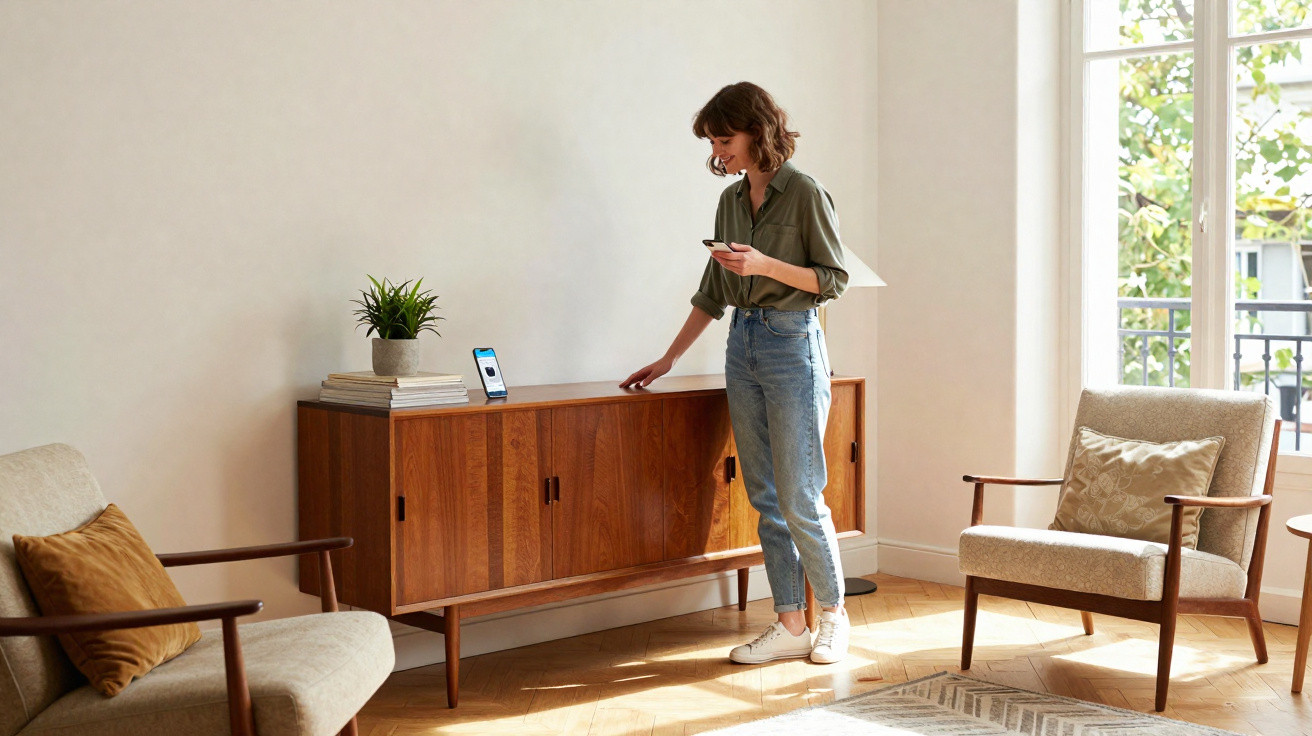
Inflation, rising rents and a desire to move away from throwaway culture have turned second-hand furniture from a stopgap into a genuine trend. Online platforms, social initiatives and major furniture retailers demonstrate that an entire home can be furnished with pre-owned pieces – affordably, often stylishly and with a better environmental footprint than buying new in the traditional way.
Why second-hand furniture is in such high demand
For a long time, second-hand furniture was seen as a temporary answer for students or people moving into their first shared flat. That is no longer the case. Families, working professionals and even interior enthusiasts with refined tastes are now choosing pre-owned items.
“Anyone who uses furniture for longer not only saves money, but also reduces the resource consumption and CO₂ footprint of their home furnishing.”
There are several reasons for this:
- Financial pressure: New kitchens, sofas and wardrobes have become significantly more expensive in recent years.
- Sustainability: Making every item of furniture requires timber, metal, energy and transport miles.
- Individuality: Second-hand furniture comes with character – few things look as interchangeable as a living room furnished entirely “from the catalogue”.
- Huge choice: Online platforms bring together listings from whole regions and, in some cases, from across the country.
The following five places illustrate how varied today’s market for used furniture has become, from free wardrobes to curated vintage design.
1. Le Bon Coin: France’s classifieds giant for furniture
In France, Le Bon Coin is much like the classic digital classified ads site. It is where households list almost everything they no longer need: clothing, electronics, cars and, naturally, plenty of furniture.
It is particularly appealing for people who enjoy browsing. Listings regularly uncover real finds, including sturdy solid-wood dining tables, old wooden wardrobes passed down through families, or sofas being given away solely because their owners are moving home. Many people in France have furnished their first, or even their second, home almost entirely through this platform.
Its main strength is its local focus. Users filter by town or region, drive over, inspect the furniture in person and take it home straight away. Secure payment features and delivery options for longer distances are now also available, making the process even more convenient.
What a typical Le Bon Coin purchase involves
- Search under the “Furniture” category and enter your location.
- Examine the photographs and description closely, and assess the condition critically.
- Ask for measurements via chat – width, height and depth – to avoid a costly mistake.
- Arrange collection or delivery and, where appropriate, negotiate the price.
Similar principles are used by platforms in German-speaking countries, including classified sites and local listings posted through apps or in supermarkets.
2. Label Emmaüs: buy furniture while supporting a good cause
Anyone wanting to save money while furnishing their home and support social projects at the same time will soon come across concepts similar to Label Emmaüs. This platform brings together listings from social furniture shops and non-profit initiatives.
Donated furniture is collected, repaired, restored and then sold. The proceeds fund training, advice and employment for people who might otherwise struggle to find work. Buying a wardrobe or table therefore creates very real new opportunities for others.
“Here, second-hand becomes a double win: less waste, greater social inclusion.”
The range typically extends from small decorative items to larger wardrobes, sofas and dining tables. Pieces are inspected before being sold and are sometimes fully refurbished. This makes the option more reassuring for anyone wary of private online sales.
Why social second-hand furniture is so popular
- Clear information about where the furniture comes from.
- Fair prices, often well below the cost of buying new.
- The sense that a purchase is backing a worthwhile project.
- Refurbished goods with checked quality.
Many towns and cities in German-speaking countries have comparable services: social furniture shops, workshops, second-hand stores run by welfare organisations, or council initiatives that provide furniture to people able to collect it themselves.
3. Ikea “Second Chance”: used branded furniture straight from the retailer
Large furniture chains have also recognised the potential of the circular economy. One example is Ikea’s programme for selling used or discounted goods, such as display furniture, returns and items with minor scratches.
For customers, this is a fairly convenient route: the products come from a familiar range, their quality is easier to judge, and the discounts can be substantial. Anyone already browsing furniture retailers’ websites can specifically look for “second life” or “Second Chance” items and reserve them in advance.
Many people use the scheme to pair a tight budget with predictable quality: rather than choosing an unbranded shelving unit from an unknown listing, they opt for a reduced-price branded item that can be inspected in person at the store.
Tips for buying from major furniture retailers’ used sections
- Check online which branch has which pieces available.
- Read the photographs and condition description carefully.
- Be quick: desirable furniture often sells fast.
- Inspect the item in store to make sure screws, legs and fittings are all present.
The idea proves that second-hand does not have to look like a “flea market” purchase. It can just as easily mean a professional, well-organised offer from a familiar furniture retailer.
4. Donnons and similar services: when furniture is simply given away
Platforms such as Donnons go one step beyond the usual purchase of used furniture. Items are not sold there; they are given away. Anyone who wants to get rid of a chest of drawers, bed frame or desk posts a listing, interested people get in touch, and the furniture is collected free of charge.
Especially in larger cities, this can be enough to furnish an entire student room or first home. Often, the furniture needs only a thorough clean or a minor repair. The environmental benefit is considerable, as bulky pieces do not end up in bulky waste collections.
Related models rely on swaps or a points system: people who give away items earn points, which they can later use to take furniture or other objects themselves. This creates a cycle that goes far beyond individual purchases.
“The longer a wardrobe or table is used, the lower its environmental footprint per year of use.”
What to check when collecting free furniture
| Aspect | What should you check? |
|---|---|
| Stability | Does the item wobble? Are screws loose or is the wood splintered? |
| Smell | Strong odours may indicate damp, smoke or mould. |
| Upholstered furniture | Look for stains, the risk of dust mites and pet hair; if in doubt, it is better to leave it. |
| Transport | Will it fit in the car, and do you need help or a van? |
Anyone who applies common sense here can substantially reduce their spending while preventing waste.
5. Selency: vintage and design furniture second-hand
At the other end of the market is a platform such as Selency, which focuses on high-quality vintage and design furniture. Private sellers, dealers and professional restorers list pieces there that often have far more character than mass-produced goods.
The selection runs from Scandinavian armchairs and 1960s sideboards to handmade one-off pieces from small workshops. Prices are higher than on a standard classified ads platform, but buyers can find unique items that are unlikely to appear in a nearby furniture shop.
The platform acts as an intermediary, providing secure payment processing and organising transport and return options. Those prepared to invest a little more can obtain distinctive pieces with verified quality and clearly documented provenance.
Who benefits from premium second-hand furniture
- Design enthusiasts looking for particular styles or decades.
- People who would rather invest in durable individual pieces than short-lived trends.
- Anyone wanting to enhance their home with a “statement piece”.
What buyers should generally consider when purchasing used furniture
Whatever the platform, a few basic rules apply. Meaningful photographs, precise measurements and an honest description of the condition are essential. Many issues arise simply because a wardrobe will not fit up the stairs or a sofa is larger than expected.
For online purchases in particular, it is worth asking targeted questions: are all parts included? Are assembly instructions available? Were pets kept in the household? Questions like these prevent disappointment later on and may save a long journey.
More than saving money: how second-hand furniture changes lifestyles
People who deliberately furnish their home with used furniture often gradually change how they view consumption as well. The quick impulse purchase becomes a considered search for something that truly fits and will last. Many people say they take a greater interest in the story behind their furniture and buy new items on impulse less often.
There is also a creative side to it: a sanded wooden table, a newly upholstered armchair or a painted shelving unit can reveal just how much potential old pieces hold. What may begin as an apparent problem – not having enough money for a new dining table – can become a project that ultimately brings a little pride.


Comments
No comments yet. Be the first to comment!
Leave a Comment