
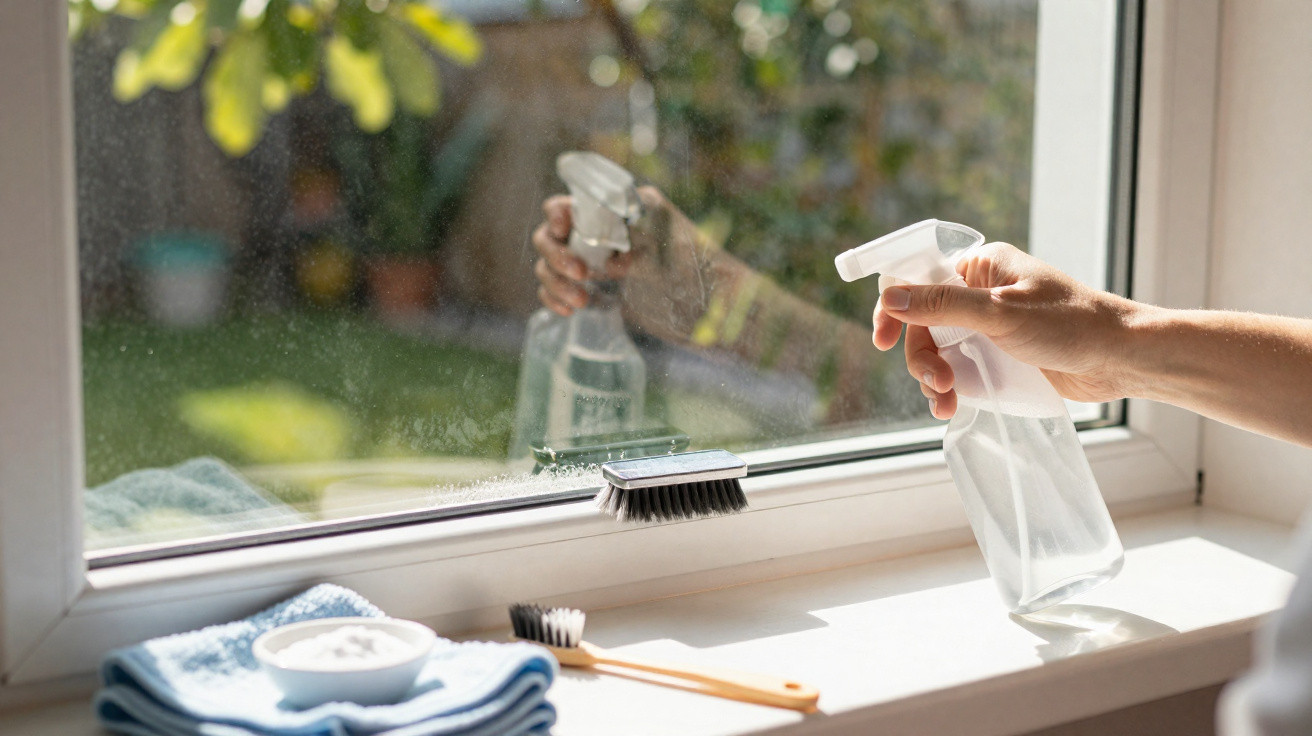
Across the country, window tracks collect pollen, pet hair and road dust, which can settle far down inside the rails. A simple regular routine keeps sliding windows moving freely, safeguards the seals and cuts time from your weekly cleaning. Here is how to tackle the job without expensive equipment - and why doing it at the right time is important.
Why window tracks become dirty and why it matters
Wind blows pollen, fluff and fine particles into the slim channels around a window frame. Humidity can turn this dust into a stubborn, sticky layer. As resistance increases, sliding windows begin to drag and their handles come under strain. Seals then deteriorate more quickly, while small metal components may pit and corrode. In severe cases, the sash can stick or fall out of alignment, allowing draughts through and increasing heating or cooling bills.
Aluminium sliding windows are particularly vulnerable because their rigid channels hold onto debris. Timber frames present another concern: they absorb water and can swell if they are cleaned too wet. Each material requires a careful approach rather than forceful scrubbing.
Grit in the track acts like sandpaper. Five focused minutes per rail prevents drag, seal wear and early hardware failure.
What you need for cleaning window tracks
- A small bowl of warm water
- Mild washing-up liquid
- An old toothbrush, which can be reshaped for corners
- A microfibre cloth and soft sponge
- A vacuum cleaner with a crevice nozzle
- Bicarbonate of soda and white vinegar for persistent deposits
- Silicone spray lubricant for a dry, dust-resistant finish
Cleaning aluminium window tracks step by step
Put warm water and one drop of washing-up liquid into a bowl. Dip in the toothbrush, then scrub the channels to dislodge dirt and hair. Begin in the cleanest section and work towards the dirtiest one, preventing muddy residue from spreading. To reach confined corners, soften the toothbrush handle in hot water and bend it into an L shape. This makes it easier to clean deeply without scraping your knuckles.
Use the crevice nozzle to vacuum up the debris you have loosened. Dab away any remaining slurry with the sponge, then give the area a light rinse with fresh water. Do not soak the sill, as retained water can find its way into the wall or beneath the frame. Dry it with a cloth and leave the window open until all parts are completely dry.
Light moisture lifts grime; a soak creates problems. Keep the rinse minimal and the drying thorough.
Removing stubborn buildup from aluminium tracks
Sprinkle bicarbonate of soda along the track, then apply a narrow line of white vinegar and allow it to fizz for one minute. This reaction loosens old greasy grime without abrading the surface. Brush the track again before rinsing and drying it as described above. Should residue remain, repeat the process once instead of using metal implements to scrape it away.
How to clean timber windows safely
Begin with a dry clean. Vacuum the grooves, then remove loose fluff with a duster. For marks, use a barely damp cloth with a small amount of mild soap. Wipe the surface and dry it straight away. Do not saturate the timber, as wet wood expands and puts pressure on its joints. Once you have finished, check corners for standing water. Where the finish appears dry, apply a light layer of paste wax or a wood oil compatible with the existing finish. The resulting protective layer will help dust come away more easily during the next clean.
Preventing moisture and mould in window rails
Air the room after washing the window so dampness does not remain in the rails. In humid areas, clean the tracks more regularly and use a dehumidifier near windows that cause problems. Inspect the weatherstripping and drainage holes to ensure water can escape and air can circulate. Mould thrives in dark, damp channels, so remove both conditions.
Keep sliding windows moving: lubrication and quick checks
Once the track is clean and entirely dry, lightly spray silicone lubricant along the rail. Remove any excess using a cloth, leaving a dry-to-the-touch finish. Silicone lowers friction without leaving a tacky coating that draws in dust. Do not use grease or thick oils, since they gather dirt and become abrasive within a few days.
Move the sash backwards and forwards to distribute the lubricant film. If it still catches, examine the rollers. Many sliding windows include a small adjustment screw at the lower edge, and turning it by half a turn may raise the sash enough to pass over a rough area. Check fixings for corrosion and the track for early pitting. Deal with rust promptly, before it damages the sliding surface.
Choose silicone-based, dry-to-touch lubricants. Skip petroleum greases that trap dust and gum up the rollers.
How often to clean window tracks
For most households, cleaning every six to eight weeks is appropriate. Inspect the rails promptly after windstorms or periods of heavy pollen. Where shoes, boxes or fabrics are stored beneath windows, shift them slightly further away to stop fibres drifting into the tracks. Keep a compact kit containing a brush, cloth and silicone spray beside the sliding window used most often, making the routine easier to maintain.
When to contact a professional
Arrange a repair appointment if the sash continues to stick after thorough cleaning and lubrication, or if the frame is bent, corners are cracked or corrosion is extensive. A professional can fit replacement rollers, realign the sash or replace damaged track liners. Ongoing draughts, misted double-glazed panes and water ingress also need expert assessment, as they can indicate more serious seal failures.
| Symptom | Likely cause | Try this first | Risk if ignored |
|---|---|---|---|
| Rough movement, scraping sound | Debris built up in the track | Brush, vacuum, silicone spray | Worn seals, damaged rollers |
| Sash bounces or drops | Incorrect roller height | Adjust the roller screws | Frame misalignment |
| Musty odour in grooves | Moisture trapped inside | Dry fully and improve ventilation | Mould growth, timber swelling |
| Rust marks on the track | Condensation and lack of maintenance | Clean, dry and use rust inhibitor | Pitting, expensive replacement |
A five-minute routine that prevents problems
Next weekend, time yourself while working on one window. If cleaning and lubricating one sliding window takes longer than ten minutes, there is likely a buildup of neglected grime. For the following month, reduce the period between cleans. The benefits become clear quickly: smoother movement, quieter operation and fewer draughts.
Carry out a brief check when you are done. Open the window halfway, then gently push it with one finger near the handle. A well-running sash should begin moving with very little effort. If it pauses, vacuum the track once more and apply a little extra silicone to the rail - never to the seals. Small adjustments at this stage can avoid lengthy, costly repairs later.
Extra considerations for different homes
City flats collect soot and fine brake dust, so plan cleans nearer to every four weeks. Coastal properties are exposed to salt spray, which speeds up corrosion; after storms, rinse with fresh water and dry everything thoroughly before lubricating. Older homes often contain mixed frame materials, so clean aluminium and timber separately during the same session to prevent cleaning products being transferred between them.
If you prefer to keep records, note friction issues on your phone, such as “left slider, stiff at end”, and monitor what changes after every clean. This short log can reveal trends, including seasonal pollen surges or changes in humidity. It is also useful when explaining the problem to a technician and may prevent repeat visits.




Comments
No comments yet. Be the first to comment!
Leave a Comment