
A new, highly durable trend is set to reshape kitchen design-without forcing you into a major overhaul.
Choosing materials for kitchen worktops has changed dramatically in recent years. Increasingly, people want options that combine a refined look with real, everyday practicality-able to handle a busy routine while avoiding the stress of damage and unwanted stains on the surface finish.
Why is traditional granite losing ground in modern kitchens?
Natural stone often has a relatively high level of porosity, which makes it prone to absorbing everyday liquids such as coffee and grease. Over time, that absorption can leave permanent marks that are difficult to remove-an especially frustrating outcome for anyone who has spent heavily on a fitted kitchen project.
Beyond the visual issue of staining, older materials typically require frequent upkeep and very careful day-to-day cleaning. As a result, today’s buyers are gravitating towards higher-performance, technology-led solutions that offer greater longevity and a more premium feel-without demanding complicated effort to keep the look consistently spotless.
The drawbacks of older-style worktops have pushed people to look for more practical advantages, such as:
- A high tendency to trap grime because of surface pores
- Regular need for protective chemical sealing
- Increased risk of scratching when using kitchen utensils
What makes an ultracompact surface so hard-wearing day to day?
Cosentino’s advanced manufacturing approach led to the creation of Dekton, a new and game-changing type of surface. It is produced using a unique process that applies an extremely high-powered press to compress the minerals fully, removing any empty space within the material’s structure.
This extreme compaction-under twenty-five thousand tonnes-creates a finished surface with virtually zero porosity. With no pores to absorb liquids, it becomes strongly water-repellent, stopping spills from penetrating and removing the long-standing worry of stains caused by highly pigmented foods.
Below is a video from CosentinoTV on YouTube that explores the points covered in this topic in more depth:
How does this innovative material handle high temperatures?
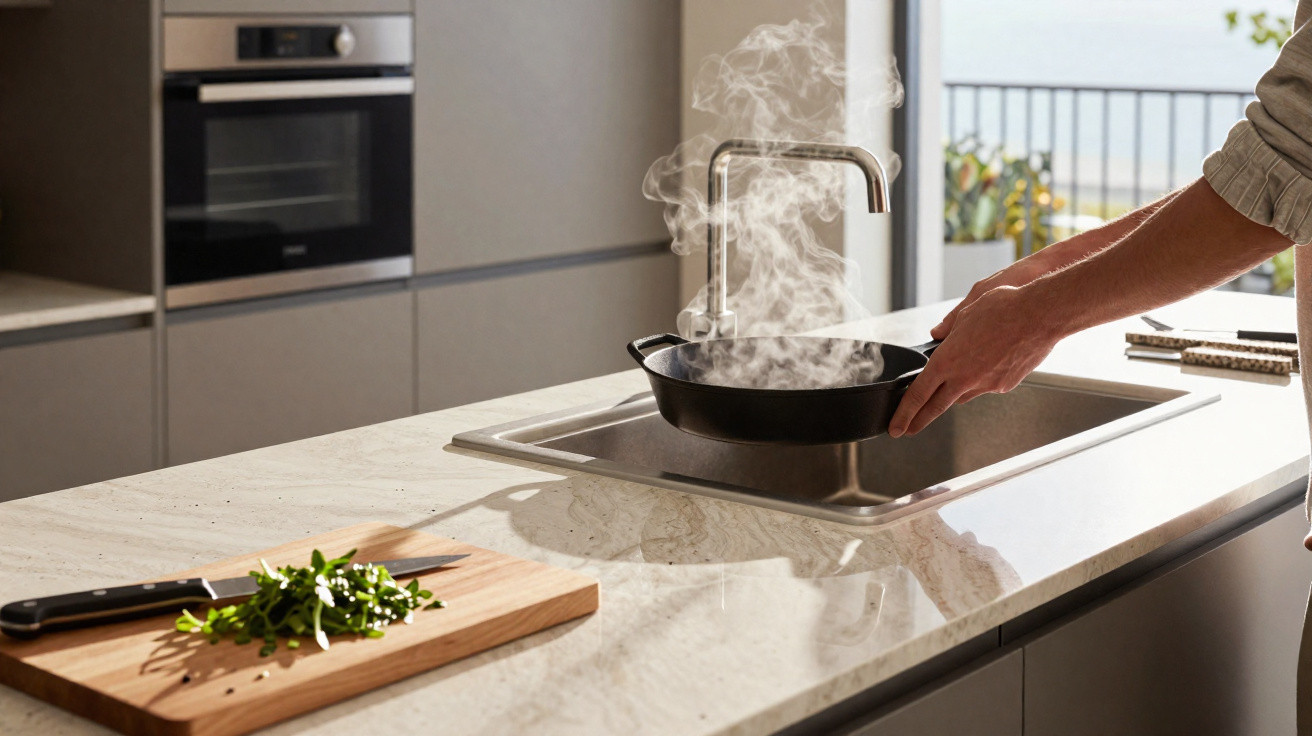
A further major advantage of sintered stone is its outstanding heat resistance in fast-paced cooking environments. Unlike conventional worktops that can crack under sustained heat, this technology can cope with direct contact from boiling pans taken straight off the hob, without structural change.
Thanks to that exceptional stability, the surface can safely withstand extreme temperatures of up to three hundred degrees Celsius. This technical performance helps prevent annoying cracks and unwanted discolouration, strengthening its position as a top choice for anyone who cooks every day.
Benefits of Sintered Cladding
Unmatched durability
Discover the key technical pillars that make this a superior choice for your home:
- Complete immunity to stubborn stains from foods and acidic drinks
- High thermal resistance, supporting heated cookware up to three hundred degrees
- Zero porosity, which helps prevent bacterial growth and unwanted moisture ingress
What are the main uses of this cladding in home renovations?
The flexibility of an ultracompact surface gives architects and homeowners a huge range of options during refurbishment work. Because it is exceptionally robust and stable, it suits both indoor and outdoor requirements, going beyond the technical limitations often found with traditional stone.
Its use is not limited to standard sink worktops, thanks to its strong physical properties. It can be applied to high-traffic floors, sleek internal walls, modern ventilated façades and barbecue areas-creating a continuous, high-end aesthetic throughout.
Typical applications include various parts of the home:
- Residential flooring exposed to heavy wear and frequent footfall
- External façades directly subjected to intense sunlight
- Gourmet worktops integrating barbecues and modern hobs
Is it worth investing in this technology for your outdoor kitchen and entertaining space?
Designing a functional outdoor kitchen and entertaining area depends on choosing components that can cope with weather conditions and repeated contact with greasy foods. Selecting an ultracompact technology removes concerns about moisture ingress, helping you maintain a sophisticated space that is always ready to host guests comfortably.
Although the upfront cost is higher than more common stone options, the payoff in durability-and the lack of ongoing repairs-more than justifies it. It is a smart investment that can add long-term value to the property, delivering a modern surface that keeps its original beauty unchanged for many years.


Comments
No comments yet. Be the first to comment!
Leave a Comment