

Sunday evening, 8:47 pm.
The dishwasher is whirring, a single sock is staring at me from the hall, and the coffee table appears to have served three people as a workstation, lunch table and craft area. I’m in the kitchen with a mug in hand, taking in the disorder while imagining Monday morning. Then that familiar, weighty thought arrives: “I will never catch up.”
But then something changes.
Not around the house. In my mind.
Rather than attempting to clean it all, I make an unhurried circuit of my home and complete one small task in every room. It takes ten minutes, perhaps fifteen. The house is nowhere near magazine-perfect, yet it suddenly looks… presentable.
That is my weekly reset.
And it has quietly transformed the rest of my week.
The “good enough” home reset nobody talks about
There is an odd expectation now that a home must be either immaculate or completely chaotic. Social media thrives on those extremes. Everyday life happens somewhere between them, beneath a light layer of dust and three partly folded piles of washing. The reset that keeps my home looking presentable is neither a deep clean nor a strict cleaning timetable. It is a brief, intentional ritual that prevents untidiness from gathering momentum.
I do not scour the skirting boards or rearrange cupboards. Instead, I move through the house asking one question: “What would make this room look instantly calmer?” I then do just that. One shelf, one worktop, one concentrated patch of chaos. The effect is subtle but striking.
The first time I tested it, I set a 20-minute timer and rushed around, almost through sheer stubbornness. I gave the living room three minutes: straightened the cushions, folded the blanket and removed everything from the coffee table except a candle and the remote control. The kitchen got five minutes for loading the dishwasher, wiping the worktops and taking out the rubbish. In the hall, I lined up the shoes and made a stack of the post instead of leaving it scattered. In the bedroom, I took the clothes from the chair and put them where they belonged: in the laundry basket.
When the timer went off, I felt strangely irritated. It seemed as though I had achieved hardly anything. Then I stepped outside through the front door, turned round and came back in. The change was immediately obvious. It was the same home, with the same furniture, but there was far less visual clutter. That small reset made Monday morning feel less like a battle and more like a new beginning.
There is a good reason it is so effective. Our minds continually scan our surroundings, silently registering every unfinished job. A cluttered worktop is not simply clutter; it is a to-do list you cannot stop looking at. By resetting the most noticeable areas, you reduce that constant mental background noise.
This is not about achieving a deep level of cleanliness. It is about energy and perception. An uncluttered table can persuade your brain that the entire room is under control. Neatly folded blankets announce that “someone cares about this space”. Your home feels different long before it is truly spotless. That is the real benefit of a quick weekly reset: it changes the atmosphere of your space without consuming your entire weekend.
The simple weekly home reset routine that keeps things presentable
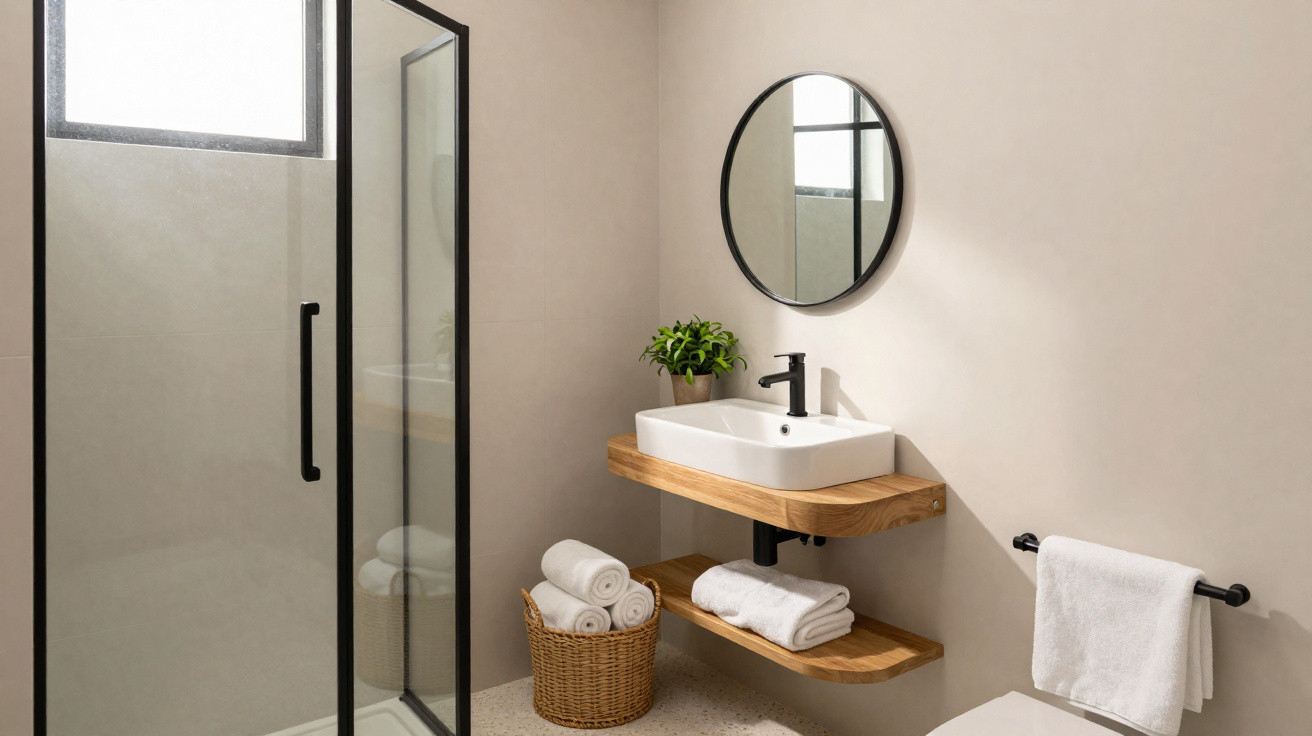
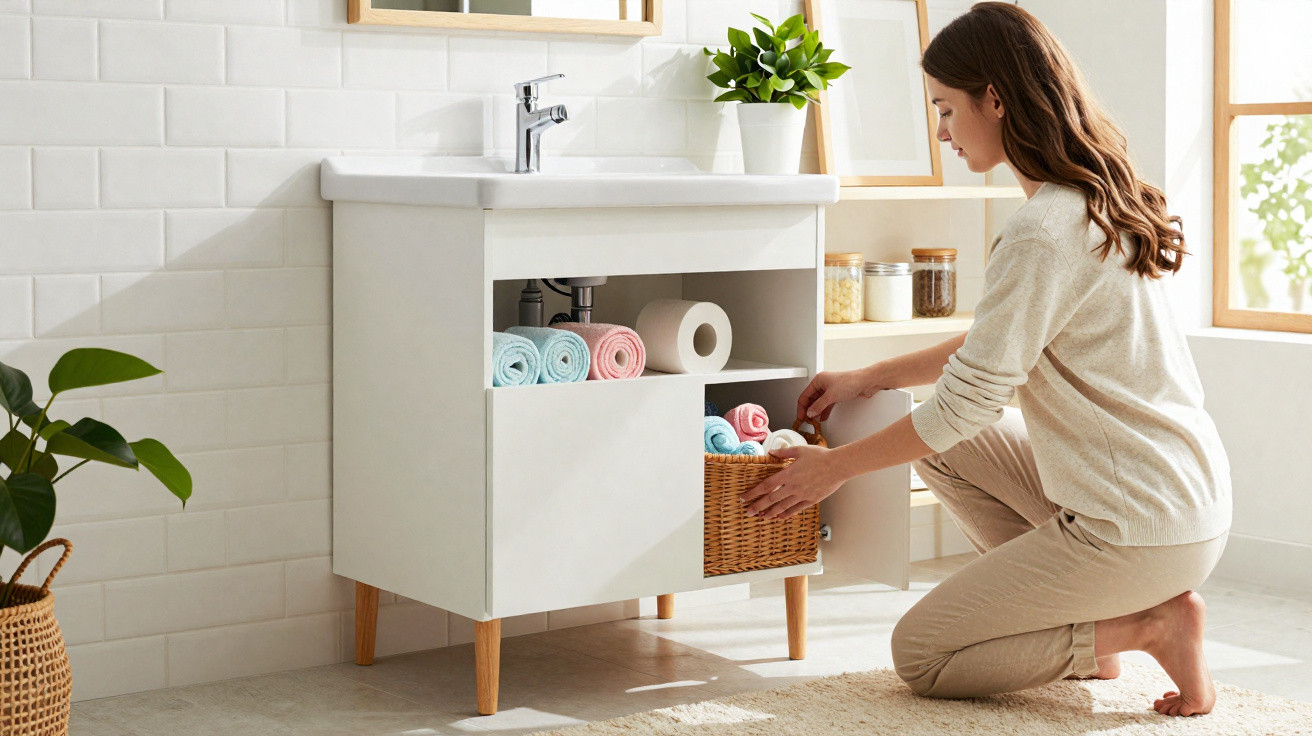
This is the routine that worked for me: one weekly reset, usually on Sunday in the late afternoon, lasting no more than 20–30 minutes and following the same sequence each time. I begin at the front door and work my way around in a loop. In the entrance, shoes are lined up, bags are hung up and miscellaneous post goes into one small tray. In the living room, I arrange cushions and the throw, then clear dishes and obvious clutter from visible surfaces. In the kitchen, dishes go into the dishwasher or are stacked tidily, worktops are wiped and the rubbish is taken out. In the bathroom, I put out a clean hand towel, quickly wipe surfaces and check the toilet roll. In the bedroom, clothes come off the floor, the bed gets a speedy make-over and the bedside table is cleared.
Every room receives only a small share of the time. Perfection is not the aim. The only question is: “What would someone notice in ten seconds?”
The important part is avoiding the temptation to go too far. Pick up one pile of clothes; do not sort out the entire wardrobe. Wipe the bathroom basin; do not start scrubbing the shower grout. This is where many of us stumble. We begin with enthusiasm, disappear into a 2017 drawer-decluttering project, and abandon the reset altogether.
When you are tired or feeling overwhelmed, this is exactly when the reset proves its worth. There is no need to bargain with yourself. Follow the loop, deal with each room once, and finish. Honestly, hardly anyone manages this every day. A weekly rhythm is kinder, more achievable and less punishing. You are not failing; you are maintaining.
Sometimes I walk through the house mid-week and think, “Oh. Past me really took care of future me on Sunday.” That feeling is addictive in the best way.
- Pick one reset day – Link it to something already in your routine, such as a Sunday-night programme, Saturday-morning coffee or Friday-evening playlist.
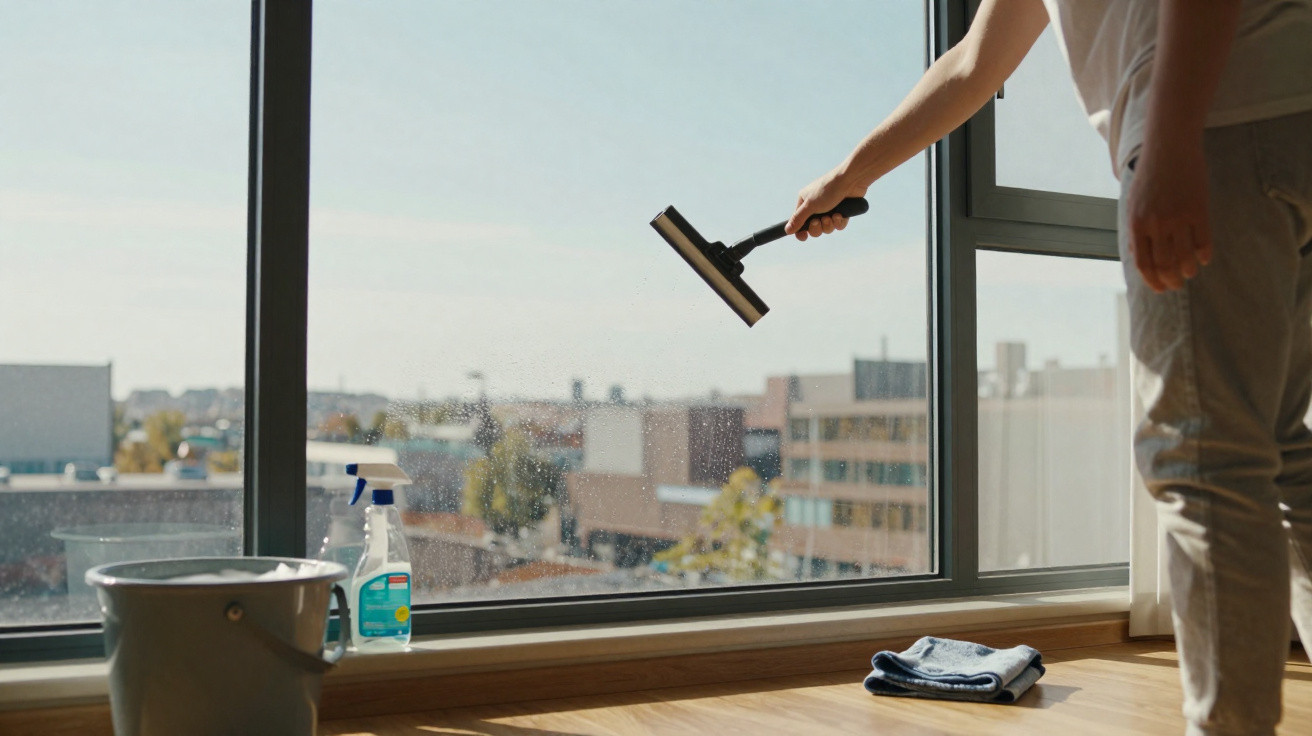
- Use a timer you can see – Your phone, oven or smart speaker will do. Once it rings, stop. No guilt.
- Begin with sightlines – Deal first with what is most visible: table surfaces, the sofa and the entrance. Small victories, major impact.
- Keep a “catch-all basket” – As you circle the house, place stray belongings in one basket. Sort them later, or once a month.
- Deliberately set the bar lower – Go for “wouldn’t be embarrassed if someone dropped by”, rather than “apartment tour ready”.
Living in a home that is always five minutes from “company ready”
The greatest surprise was not the neat cushions or clear worktops. It was the steady, quiet sense of calm that began to carry through the week. If a friend sent a message saying, “I’m nearby, can I swing by?”, I no longer froze and mentally assessed the condition of the bathroom. I looked around, spent two minutes picking things up, and answered the door.
There is a quiet assurance in knowing your home is always roughly five minutes away from “yeah, you can come in”. That assurance spills into other parts of life: you cook more often, sleep more soundly and feel less behind before the week has even begun.
| Key point | Detail | Value for the reader |
|---|---|---|
| Weekly reset, rather than a daily grind | One brief session covers every room without involving a deep clean | Less guilt and overwhelm while the home remains presentable |
| Prioritise what you see first | Give surfaces, the entrance and visible clutter attention first | Quick visual results, a calmer mind and reduced mental load |
| Keep the standard at “good enough” | Finish when the timer ends, avoid perfection and do not get drawn into deep dives | Makes the routine sustainable, so it can genuinely continue throughout the year |
FAQ:
- Question 1 How long should a weekly home reset really take?
- Answer 1 For most people, 20–30 minutes works well. If you are exhausted or your home is larger, begin with 10 minutes and reset only two rooms. Consistency matters more than intensity.
- Question 2 What if my home is already very messy?
- Answer 2 For the first few resets, focus only on surfaces and routes through the home: tables, worktops and floors you need to walk across. Once those areas feel manageable, gradually include one additional zone each week.
- Question 3 Should I do this alone or with family/roommates?
- Answer 3 If you share your home, make it a joint sprint. Give each person one or two areas and play a 20-minute playlist. The reset becomes less like housework and more like a short team task.
- Question 4 Can I replace daily cleaning with this reset?
- Answer 4 You will still need small daily actions, such as dealing with dishes and rubbish, but the weekly reset stops things from slipping into chaos. Treat it as a safety net, not your only routine.
- Question 5 What if I skip a week and everything slides?
- Answer 5 Then you have skipped a week. That is all. Choose another reset day, reduce your expectations for that session and complete the loop once. One short session can still bring you back from the edge.



Comments
No comments yet. Be the first to comment!
Leave a Comment