
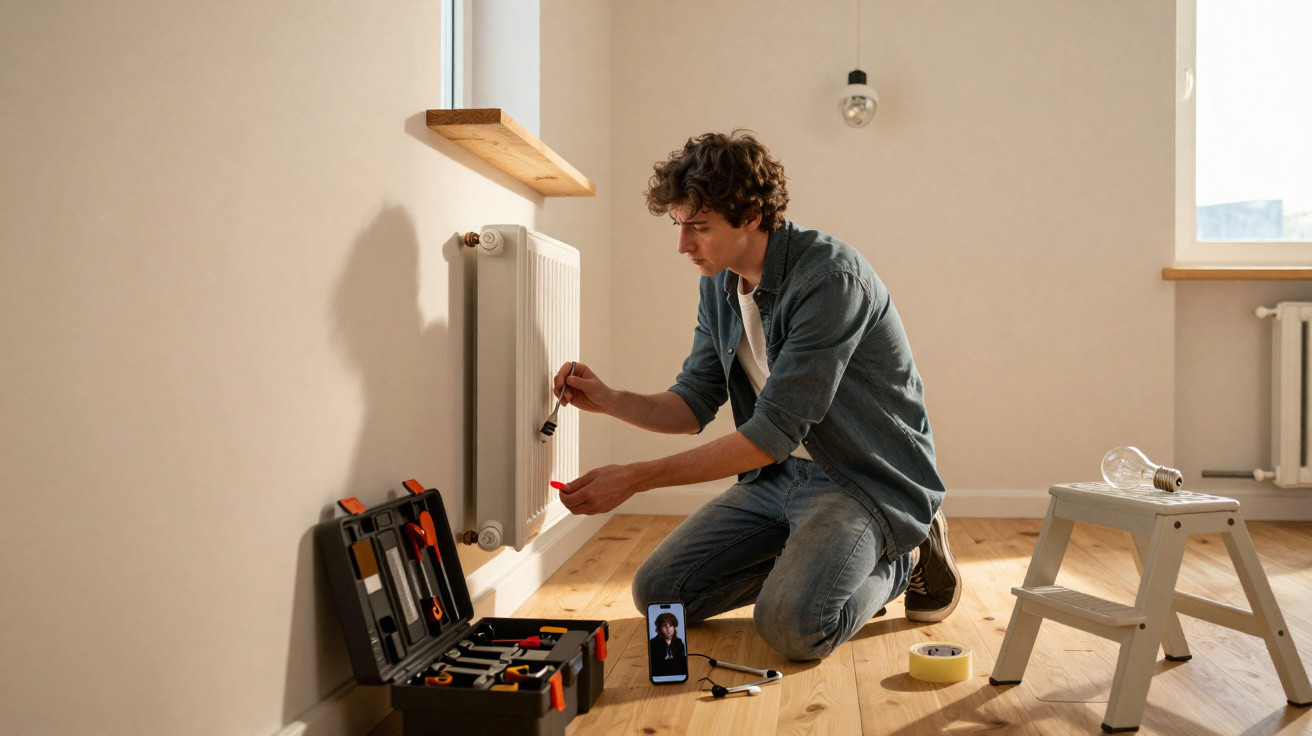
A new study from the United Kingdom highlights just how many people come unstuck on seemingly straightforward jobs such as changing a light bulb, bleeding a radiator or resetting tripped fuses. The figures are easily reflected in Germany too, because the direction of travel is much the same everywhere: more modern tech, busier diaries, less hands-on experience. The result is a growing lack of confidence at home.
How helpless are we really in our own homes?
The research, carried out by a major energy supplier, drew on a survey of 2,000 adults. One headline finding is that a sizeable share of people no longer really understand the basic workings of their own home.
"About a third of respondents don’t know how to restart their heating system - and almost a quarter feel unsure about changing a simple light bulb."
More worrying still, many people don’t know where the key safety controls and shut-off points are. If you cannot quickly locate the mains water stop tap or cut the electricity to the whole property in an emergency, you lose valuable time - and risk costly damage.
The 15 most important DIY basics - and where people struggle
Specialists identified 15 household tasks that, in principle, everyone should be able to handle. The survey shows how many respondents find these specific jobs difficult:
- Restarting the heating system or adjusting the pressure (33% cannot do it)
- Changing a light bulb (24% feel unsure)
- Fixing a shelf to the wall with wall plugs (22%)
- Wiring a plug correctly (22%)
- Replacing the bulb in a fridge light (22%)
- Finding the mains water stop tap (20%)
- Bleeding a radiator (19%)
- Locating the main water pipework (17%)
- Unblocking a drain (15%)
- Finding the electricity or gas meter (15%)
- Replacing a smoke alarm (10%)
- Resetting a switch in the consumer unit (10%)
- Turning off power to the whole home (7%)
These might sound like everyday jobs, yet for many they feel like specialist work. Anything involving a boiler, heating controls or the consumer unit often triggers a fear of “breaking something”.
Why we put off household jobs
The study also looked at how people respond when something goes wrong. One in three admit they only think about home maintenance once a problem has already happened. Preventative checks are rare. Ten per cent openly say they deliberately avoid household issues.
That fits with another finding: 42% of respondents have no maintenance contract or protection plan for their heating or hot water system. If the system fails in the middle of winter, it can quickly become both expensive - and cold.
"Many people only react when something drips, bangs, sparks or stops heating altogether - rather than getting the basics sorted in advance."
Trial and error instead of a clear plan
It is striking how most people try to fix problems. More than seven in ten rely on “trial and error” - a quick attempt in the hope it works out. Sometimes it does, but it often ends in confusion.
Eighty-one per cent have tried a home repair themselves at least once. A quarter admit they made the situation worse by doing so. It is hardly surprising that almost half say failed DIY attempts have already caused arguments in their relationship.
Typical flashpoints include:
| Situation | Typical problem |
|---|---|
| Putting up a shelf | holes drilled crooked, wall plug won’t hold, wall damaged |
| Bleeding a radiator | water leaks out, pressure drops, heating plays up |
| Consumer unit / fuse box | wrong breaker switched, part of the home stays without lights |
| Cleaning a drain | chemical cleaner used incorrectly, smell or blockage gets worse |
Are we really less practical than our parents?
Almost two thirds of respondents believe the generation before them was more capable with practical tasks. Some even joke that their house or flat feels like it is “working against them”. What they mean is that modern technology, manuals and systems can feel more complicated than they used to.
Even so, only 25% go straight to professional help. Meanwhile, 13% do not know at what point a qualified tradesperson is genuinely necessary. And a not-insignificant number still ring Mum or Dad when a tap starts dripping or the heating stops.
"In many families, the parental hotline replaces the manual - until that generation is no longer available."
What everyone should be able to do at home
Nobody needs to tile their own bathroom or programme a heating system like a professional engineer. But a few essentials should be second nature - whether you rent or own, live alone or with family. At minimum, people should be comfortable with:
- Turning off electricity to the whole home
- Finding and closing the mains water stop tap
- Bleeding radiators without damaging the system
- Safely replacing basic light bulbs
- Testing smoke alarms and replacing them when needed
- Using the consumer unit and spotting tripped switches
- Understanding the basics of their own heating system (pressure gauge, error messages)
If you can do these simple actions, you reduce stress, keep costs down and limit damage in a real emergency. Many of these skills can be picked up in minutes using a good video, a pictorial guide or a quick walk-through.
Practical mini-guides for everyday life
Bleeding a radiator: how to do it without making a mess
The classic sign is a radiator that gurgles or only gets warm at the top. That usually means air is trapped in the system. A typical, straightforward approach looks like this:
- Switch the heating off or turn it down to a low setting
- Get a bleed key ready, plus a small container and a cloth underneath
- Slowly open the valve at the top side until air escapes with a hiss
- As soon as water runs out steadily, close the valve again
- Check the system pressure and top up if needed (follow the instructions)
If you are uneasy around the boiler or heating system, you should at least know where the rating plate is. That allows a heating engineer to identify the exact model quickly and advise you over the phone.
Changing a light bulb: it’s more than just twisting it out
It sounds simple, but many people struggle - particularly with modern fittings:
- Turn the power off at the light switch, and switch off the breaker if you are unsure
- Let the bulb cool down; don’t touch it immediately after switching off
- Remove the old bulb carefully - depending on the fitting, twist it or pull it out of the holder
- Fit a new bulb with the correct wattage, cap type and technology (LED, halogen)
- Restore power and check it works
A common problem is using the wrong base/cap or wattage. Taking a quick look at the old bulb - or the fitting’s instructions - can save a lot of frustration.
Why basic household know-how matters more than ever
Homes now contain more technology than at any point in the past: smart thermostats, connected smoke alarms, complex heating systems and sensitive electrical appliances. With no basic know-how, it is easy to feel at the mercy of it all - and to end up paying a call-out fee for every minor issue.
Safety is another factor. A water leak, an electrical fire, the smell of gas: in these moments every minute counts. If you do not know how to shut off water or electricity, you are effectively acting blind.
"Take a deliberate walk through your home once, find every main switch, and label them if necessary - that 15-minute check can be crucial in an emergency."
Simple routines can help too: once a year, listen for unusual radiator noises, test smoke alarms, clean drains and take a quick look in the consumer unit. If you live with others, it is worth going through these points with everyone - teenagers can learn what to do in an emergency as well.




Comments
No comments yet. Be the first to comment!
Leave a Comment