
The helicopter dropped to a near‑murmur above the desert, and the chatter from the cabin and the crowd below ebbed into silence.
Beneath us, a gleaming strip of steel and glass sliced through the sand as if someone had drawn it with a ruler: no bend, no concession, only a hard straight line across empty space. A guide in a spotless white thobe tipped towards me and said, with quiet pride: “From here, it never bends.”
The glossy brochure on my knees promised AI, sustainability and “a new chapter for humanity”. My phone, meanwhile, served up a less cinematic script: budget blow‑outs, timelines that felt more wish than plan, and CO₂ emissions everyone avoids mentioning when the cameras are rolling.
As we turned, the mega‑structure swallowed the view. It was breathtaking, unnerving and faintly ridiculous all at once. Was this an engineering miracle, or a taxpayer‑funded vanity project? The question sat between us, heavy as the desert air.
When a dream becomes a skyline
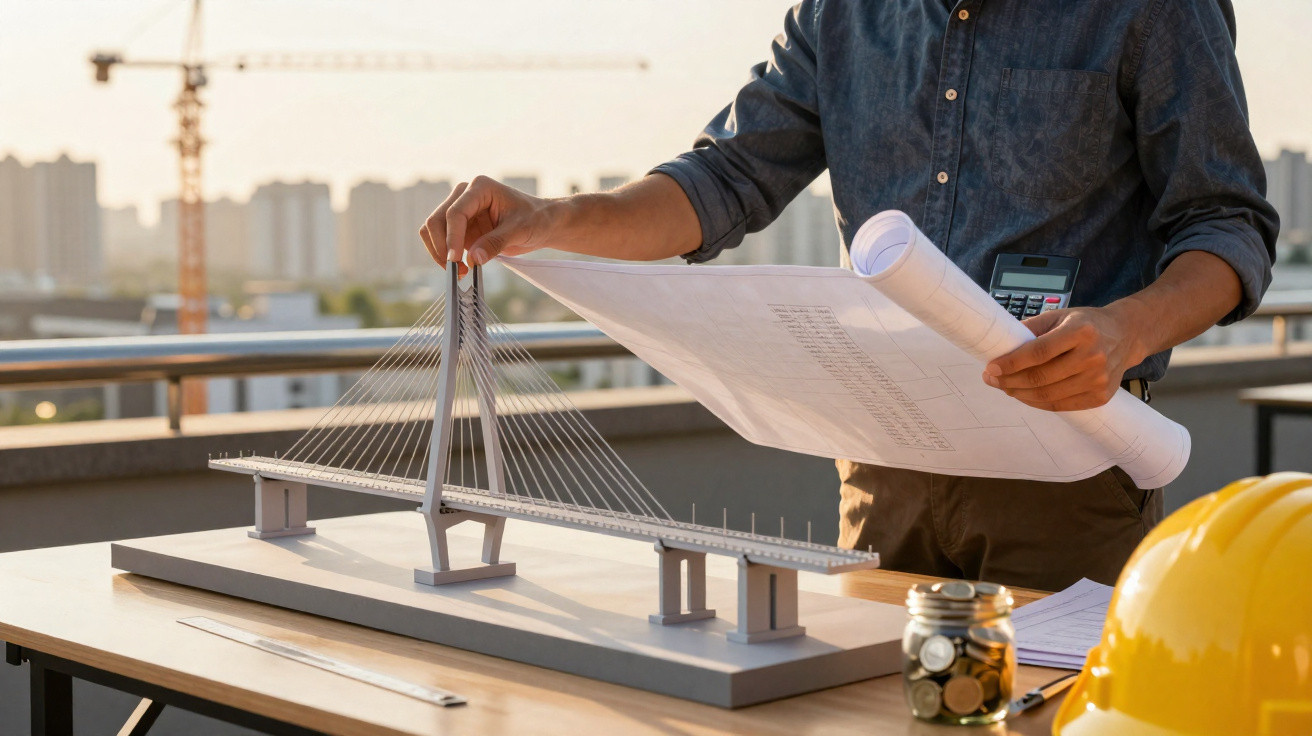
Every age finds a way to romanticise the impossible: pyramids and cathedrals, space rockets, 100‑storey glass needles. Today’s obsession arrives dressed in impeccably polished PR language: “smart cities”, “iconic bridges”, the “world’s largest” of almost anything. It comes packaged with slick renderings, heroic drone footage and speeches about remaking tomorrow.
At street level, the picture changes. Roads stay diverted for years. Small businesses choke behind hoardings, grit and scaffolding. People who grew up looking out over the sea begin their mornings facing a blank wall of concrete. The real narrative lives in that distance between the billboard’s promise and the racket in your front room.
Pick any skyline newly punctured by a super‑tall tower. Launch day feels like a national celebration: fireworks, lasers, presidents and influencers sharing the same stage. Twelve months later, cleaners drift through half‑occupied floors while the air‑conditioning drones for offices still hunting for tenants. The PR team keeps repeating “game‑changer”. The accountant keeps staring at the debt column.
In London, Crossrail – now the Elizabeth Line – ran nearly £4 billion over budget and opened years late. In California, the high‑speed rail vision has swallowed tens of billions while both its route and timetable keep contracting. Yes, these schemes create jobs. They also generate a low‑level, constant unease for taxpayers who will never step onto a VIP inauguration train, yet will fund its interest through quieter hospitals and school repairs pushed further down the list.
Engineers will tell you, not unfairly, that complexity brings uncertainty. Big tunnels flood. Ground conditions turn nasty. Ageing pipes appear where the drawings insist there are none. Politicians seldom enjoy this chapter. Forecasts stay “optimistic”. Photos remain perfectly lit at golden hour. And somewhere between contract signing and ribbon‑cutting, a worthy ambition can quietly become an extremely expensive monument to someone’s ego.
How to spot a miracle from a mirage
You don’t need an engineering degree to stress‑test a mega‑project. Begin with a blunt question: who genuinely benefits if it succeeds? Not in slogans, but in everyday terms. Does it shorten commutes, lower bills, clean the air? Or is its main achievement a fresh postcard view and a leader’s “legacy” speech?
Then apply a second test: time. Are the advantages described as arriving in five years, or in fifty? Public announcements often bury uncomfortable realities inside far‑off dates. “By 2080 we will be carbon neutral” sounds grand, but it dodges what happens next winter. A true engineering miracle typically produces something concrete in the near term - safer crossings, fewer blackouts, dependable trains - even if the bigger vision stretches decades ahead.
On a late bus in Seoul, a young urban planner unlocked her phone and showed me before‑and‑after images of the Cheonggyecheon stream restoration: an elevated motorway removed, the river brought back into daylight, people returning to the banks. The scheme was contentious and it certainly wasn’t cheap. Yet within months, local temperatures fell, small firms reported increased footfall, and residents actually used the space throughout the day and night.
Set that against the white‑elephant stadiums that moulder after mega‑events. Elegant curves. Prize‑winning roofs. Then, five summers later: empty stands and concrete beginning to split. Locals pass them on the motorway like gravestones for political ambition. Let’s be honest: nobody really does that every day - taking the kids to the “legacy sports complex” two hours away, with poor public transport and ticket prices that sting.
We all recognise the moment a televised grand opening bumps into our own bank statements. In Brazil, protests during the World Cup were driven less by hatred of football than by a stark, gut‑level calculation: billions for stadiums, while hospital ceilings leaked and classrooms overflowed. When people feel the trade‑offs in their bodies, no amount of spectacular drone footage can keep the dream afloat.
Engineers often talk about “useful life”. Is the new bridge, tunnel or transit line addressing a problem that will still exist when today’s schoolchildren are grown? Or is it built around a fashion that could fade inside a decade? Clear thinking strips away the sparkle. Ask how the project performs in ordinary conditions: the Monday‑morning rush, heavy rain, funding squeezes, routine maintenance quietly skipped. Vanity projects tend to unravel in exactly those dull, unglamorous scenarios.
Keeping the ego out of the blueprint
If we want fewer vanity projects and more genuine miracles, the starting point is unexciting transparency. Before the first spade hits the ground, publish the plain figures: total cost, where the money comes from, what overruns are expected, and what long‑term maintenance will require. Then keep updating them in language a teenager would understand. Once people can follow the cash, enthusiasm for “iconic but useless” design evaporates quickly.
Next comes participation. Not the performative kind - a web poll nobody reads - but real, awkward, face‑to‑face conversation. Bring residents, small business owners, bus drivers and nurses into the room while the plans are still in pencil. The central question is straightforward: “What would actually help you?” The answers are often unglamorous - more bus lanes, safer crossings, insulation for older buildings - which is precisely why they rarely fit neatly into a mayor’s legacy speech.
Real accountability also means praising the unsexy victories. A sewer upgrade that quietly removes the smell from an entire neighbourhood. A flood barrier that makes the rainy season less frightening. These are feats of engineering too, even if they do not “break” Instagram. When we only applaud the spectacular, we nudge leaders towards spectacle.
Citizens have a role beyond complaining once the cranes arrive. Push basic, persistent questions before plans become irreversible: “What happens if this goes over budget by 30%?” “Who covers maintenance when the government changes?” “Which existing service will you cut to pay for this?” It is the civic equivalent of reading the small print.
“Every big project is a mirror,” an engineer in Rotterdam told me. “It shows what a society values enough to pour concrete and decades into. Sometimes we don’t like the reflection.”
This debate becomes easier when people keep a few simple markers in mind:
- Does it ease a daily pain, or merely create a photo?
- Can you see where the money goes, year by year?
- Will it still matter when today’s political slogans are forgotten?
- Is maintenance funded, not just construction?
- Are the people most affected shaping the design, or discovering it on TV?
Living with the things we build
What’s odd about mega‑projects is how fast they fade into the backdrop. Many Parisians initially despised the Eiffel Tower. Now the city is almost unthinkable without that iron outline. Some structures outgrow their origin story: they may begin as ego and end up as something people genuinely cherish.
Others never earn that redemption. They remain clumsy, underused and financially ravenous. They need security patrols, maintenance crews and marketing campaigns simply to keep functioning. Season after season, they stand as physical reminders of the moment bravado beat common sense. People drive by, shrug, and file them under “waste”.
The line between miracle and vanity is not permanent. Something that looks outrageous on day one can later prove sensible as the climate, population and technology shift. A bold coastal barrier, for instance, can seem like extravagant spending - until a once‑in‑a‑century storm starts arriving every decade. In the end, context gets the final vote.
What endures, long after ribbon‑cuttings and viral clips, is the quiet contract between the built world and the people living inside it. Bridges influence which neighbourhood prospers. Train lines determine which child can realistically attend which school. Spectacular or plain, every major structure is a vote for a particular future.
So when a leader announces the tallest, longest, greenest, smartest project ever attempted, it’s worth pausing before you hit “share”. Behind the CGI sunrises and swelling orchestral music sits one simple tension. Are we seeing an honest attempt to tackle a shared problem with courage and craft? Or a monument that chiefly reflects one person’s hunger to be remembered?
| Key point | Detail | Why it matters to the reader |
|---|---|---|
| Follow the money | Compare costs, funding sources and the concrete benefits being promised | Helps you tell the difference between a flashy announcement and a genuinely useful project |
| Test real‑world use | Ask who will use the infrastructure day to day, and how | Shows whether you are among the winners… or only among the funders |
| Think long term | Picture the project in 10, 20, 50 years, including upkeep | Offers a clearer view of what will remain once the marketing has faded |
FAQ:
- How do I tell if a mega‑project is worth the cost? Look for clear, short‑term benefits you can touch: safer travel, cleaner air, better services, not just vague promises about “global visibility” or “world‑class status”.
- Are vanity projects always useless? No. Some end up gaining social or cultural value over time, but they usually start with weak practical benefits and strong political or symbolic motives.
- Why do politicians love “iconic” infrastructure? Because steel and concrete outlast mandates. A spectacular building or bridge is a legacy you can photograph, unlike slow, invisible reforms.
- Can engineering miracles also be good investments? Yes. Projects that solve clear problems, are transparently managed and plan for maintenance can be both technically bold and financially sane.
- What can ordinary citizens actually do? Ask repetitive, simple questions in public forums, support watchdog groups, share solid information, and vote for leaders who value maintenance and usability as much as showpieces.




Comments
No comments yet. Be the first to comment!
Leave a Comment