

Snow is falling, radiators are working at full power, and many households are shut tight against the freezing conditions outdoors.
However, British households are being encouraged this week to do something that may seem counter-intuitive during a cold snap: open their windows for a few minutes each day, even when temperatures fall below freezing. This mildly inconvenient practice reflects increasing concern over damp, mould and stale indoor air in homes that are sealed too tightly.
Why experts recommend opening windows in freezing weather
High energy costs, draughty doorways and icy paths naturally lead people to keep every bit of heat indoors. On a frosty January evening, this response is entirely understandable. Yet if a property remains closed up for several days, warm, moisture-laden air accumulates inside, particularly in compact or poorly ventilated rooms.
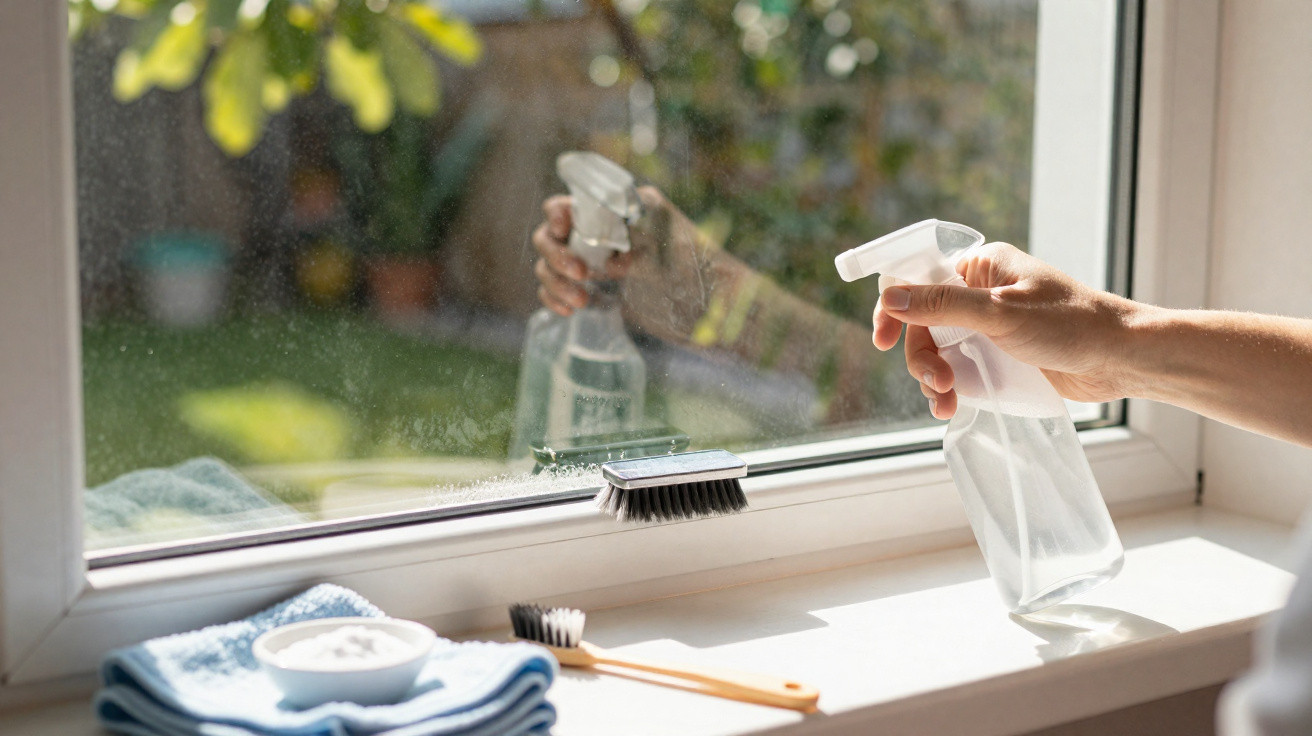
Showers, boiling kettles and clothes drying indoors all release water vapour into the atmosphere. As heating warms the home, this moisture moves through the rooms until it reaches a cold surface, such as a pane of glass, an outside wall or a ceiling corner, where it condenses into small drops of water.
Those harmless-looking droplets on windows and sills can, over time, feed black mould, damage paintwork and make rooms harder to heat.
For this reason, home and interiors experts advise opening windows for roughly 10 minutes each day this week, regardless of an unforgiving thermometer. A short influx of fresher, drier outside air removes stagnant, humid indoor air, reducing the likelihood of condensation and the cold feeling often associated with it.
The 10-minute rule: retaining warmth with short ventilation
At first, the suggestion can seem wasteful: households pay to warm their indoor air, only to release it outside. But heat and moisture behave in different ways, and that distinction is important.
Opening a window fully for a brief time replaces the air rapidly, while the walls, floors and furnishings - the “thermal mass” of your home - retain their warmth. In effect, they work as an enormous hot-water bottle. Once the window is closed after ten minutes, the warmth stored in these surfaces begins warming the cleaner incoming air.
A quick, sharp airing usually removes moisture without giving walls and furniture time to cool right down.
By comparison, leaving a window slightly open for hours continuously loses heat and does little to reduce humidity. When weather becomes severely cold, many building and health professionals favour brief, routine airing over a constant flow of cold air.
When to open windows for the greatest benefit
There is no need for households to stick to a strict schedule, although airing at certain times can be particularly useful:
- Immediately after a hot shower or bath, especially in a small bathroom.
- While cooking and afterwards, particularly when boiling, frying or using the oven.
- Once clothes have been dried indoors on airers or radiators.
- Early in the morning, to remove a night’s build-up of breath and moisture in bedrooms.
Where feasible, opening windows on opposite sides of the property simultaneously produces a cross-breeze, speeding up the exchange of air. Even in a one-bed flat, opening a bathroom and living-room window together can clear damp air remarkably quickly.
Condensation, damp and mould are not merely cosmetic issues
Condensation does more than mist up windows and leave puddles on sills. Ongoing dampness can penetrate plaster, skirting boards and floorboards. Eventually, this moisture creates the ideal environment for mould spores to grow.
Mould commonly develops in corners, behind wardrobes, around window recesses and on cold exterior walls. As these areas remain cooler than the rest of a room, water vapour returns to liquid there first. The black, grey or green staining that results can worsen asthma, cause coughing and intensify allergies, especially among children and older people.
Short, regular ventilation helps cut humidity levels, making walls less inviting for mould and keeping surfaces easier to heat.
For tenants already facing damp, modest adjustments such as a 10-minute daily airing routine may also demonstrate to letting agents or landlords that moisture is being managed responsibly while structural problems, including leaks or inadequate insulation, are dealt with.
Using sunlight, blinds and curtains as free heating support
Window routines involve more than simply opening them. Sunlight and window coverings can have a surprisingly noticeable effect on indoor temperatures, particularly in smaller spaces.
Let sunlight take some of the strain
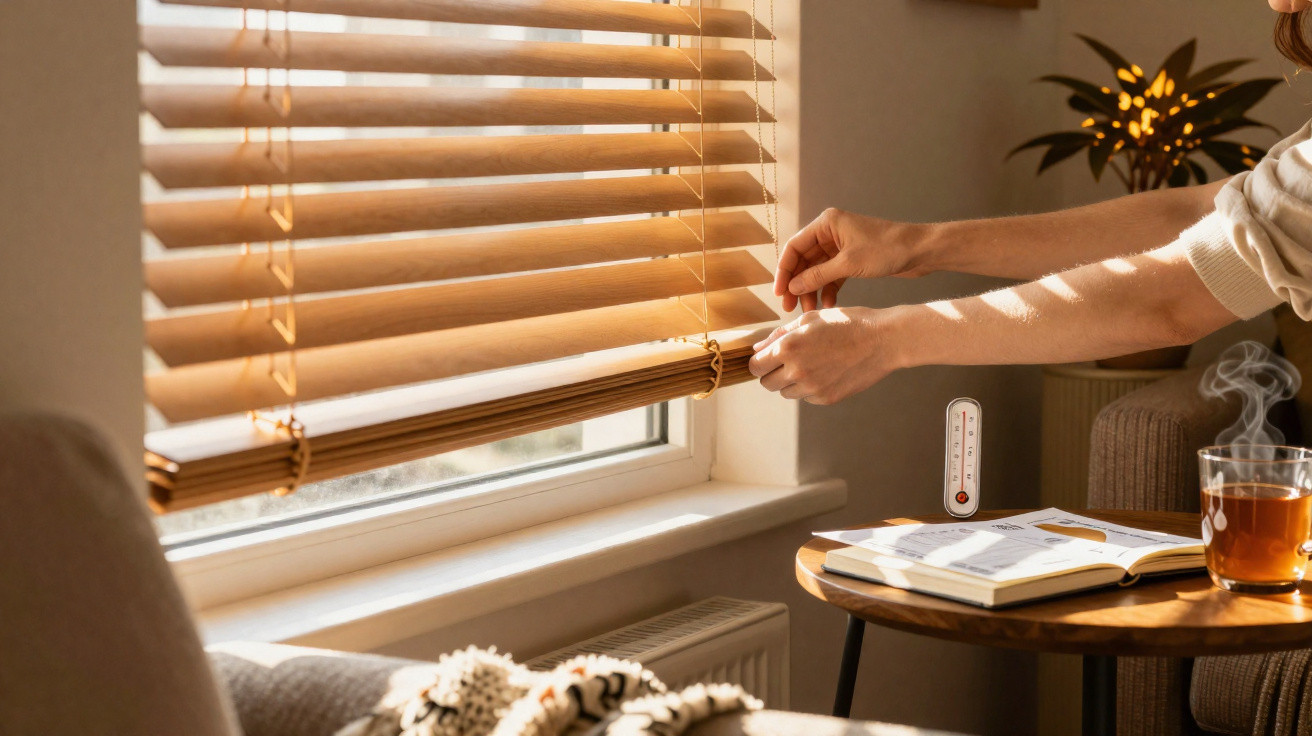
On bright winter days, direct sunshine supplies warmth at no cost. Leaving curtains and blinds open when sunlight reaches a window lets solar heat enter the room. Even one or two hours of weak winter sun through a south-facing window can make a cold living room feel less chilly.
Once daylight fades later in the afternoon, shutting curtains and blinds retains more of that collected warmth. In particular, heavy lined curtains can provide an additional insulating layer over older single-glazed windows.
| Time of day | What to do with windows | Why it helps |
|---|---|---|
| Morning | Brief 10-minute airing, then open curtains in sunny rooms | Removes overnight moisture and captures early solar warmth |
| Midday (if sunny) | Leave blinds on sun-facing windows open | Makes use of solar gain to lower heating demand |
| Late afternoon | Shut curtains and blinds | Limits heat escaping through glazing after dark |
| Evening | Briefly air rooms after cooking or showering | Clears steam and cooking moisture before bedtime |
Preventing heat loss through gaps and draughts
Ventilation need not mean allowing uncontrolled draughts. A window opened for 10 minutes is an intentional decision, whereas many homes lose heat through unnoticed leaks.
Typical weak points include:
- Gaps surrounding window and door frames.
- Keyholes, letterboxes and cat flaps.
- Unused chimneys and open vents in older fireplaces.
- Spaces between floorboards, especially on older timber floors.
Straightforward, low-tech measures can reduce these leaks. Door draught-excluder strips, letterbox brush covers and a purpose-made chimney balloon for a disused fireplace can all be effective. Placing a thick rug over an uncovered wooden floor does more than alter the room’s appearance; it may also reduce heat loss through gaps.
Targeting unwanted draughts lets you control when and how fresh air comes in, instead of losing warmth all day through hidden gaps.
This distinction can affect household bills. Limiting uncontrolled cold air while maintaining brief, planned ventilation periods generally helps a home maintain a steadier temperature, rather than alternating between stuffiness and freezing conditions.
Smart room use: heating the spaces you actually occupy
As budgets remain under pressure, many households are concentrating their heating on the rooms used most often this winter. This can work alongside the 10-minute window rule, provided air is still able to circulate through the home.
Managing unused rooms sensibly
Spare bedrooms, guest rooms and box rooms often receive little use during the week. Reducing the radiator setting or turning it off in these rooms, while closing their doors and curtains, directs more warmth towards living areas and main bedrooms.
In frequently used rooms, however, doors should not remain completely shut at all times. Leaving them slightly ajar enables warmth from radiators or stoves to move between areas. This circulation can reduce cold spots, where condensation is more likely to form.
Mechanical ventilation systems and bathroom extractor fans also remain useful. Using fans during showers or cooking, followed by a brief window opening, leaves moisture with fewer places to settle.
Extra measures for homes prone to damp
Certain properties struggle with damp despite careful window routines. North-facing rooms, basements, poorly insulated walls and ageing single-glazed windows can all contribute to condensation. In these homes, the 10-minute method is most effective when included in a wider routine.
Dehumidifiers can complement ventilation by extracting moisture directly from the air. Units with integrated humidistats allow users to choose a target relative humidity - often around 50 to 60 percent - before switching themselves on and off automatically. Even a small appliance moved between the most affected rooms can keep window panes clear for longer.
The positioning of furniture is relevant too. Wardrobes and large cupboards pressed tightly against cold external walls hold still, damp air behind them. Creating a small gap enables air movement and may lessen the musty odour that can develop behind substantial furniture.
Looking beyond this week’s cold snap
Opening windows for 10 minutes daily may appear to be a temporary winter measure, yet the practice has value throughout the year. In warmer months, regular ventilation disperses indoor pollutants from cleaning products, candles, gas cooking and ordinary household dust. People working from home for extended periods often find they think more clearly and concentrate better when they maintain a light routine of fresh-air breaks.
For households making plans, this winter’s habits can also inform longer-term improvements. Identifying the rooms that mist up first, the locations where mould repeatedly appears or the windows that feel icy can help determine where better glazing, insulation or trickle vents would be most worthwhile. Over time, a combination of more effective ventilation habits, minor draught-proofing work and considered use of sunshine can help homes feel warmer, healthier and cheaper to run - even when the weather remains uncooperative.


Comments
No comments yet. Be the first to comment!
Leave a Comment