
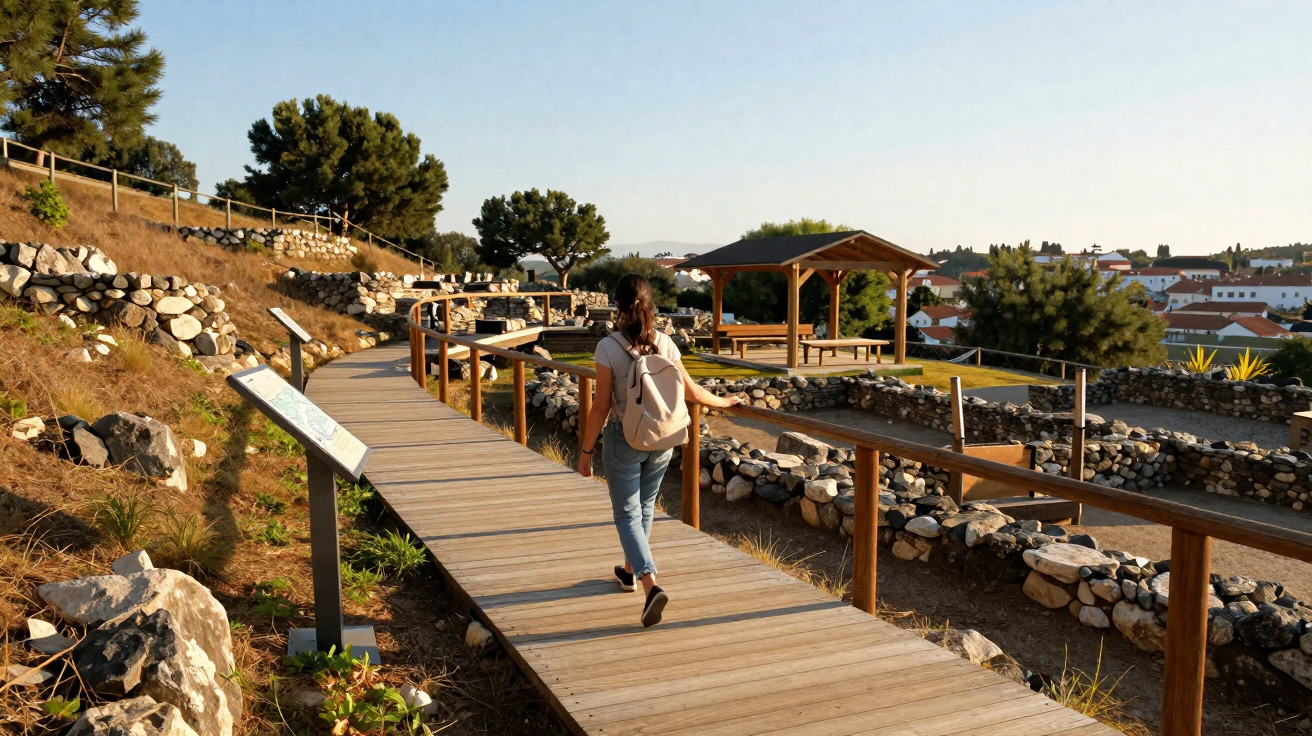
Matosinhos City Council is developing a project to create a park on the land where the Castro do Monte Castêlo archaeological site stands, in Guifões. The aim is to make the area open to the public so local residents can discover the Castro.
Matosinhos City Council plans for a park at Castro do Monte Castêlo, Guifões
In recent weeks, Matosinhos City Council purchased most of the plots that make up the Castro do Monte Castêlo site, bringing its holdings in the area to a total of 6.7 hectares. According to the local authority, this acquisition will make it possible to put the right conditions in place for the archaeological area to become accessible and to establish itself as a landmark of archaeological heritage in the Greater Porto region.
Visitor access and preservation at the Castro do Monte Castêlo
Fernando Rocha, the councillor responsible for Cultural Heritage at Matosinhos City Council, said the intention is to improve access while safeguarding the site’s character: "The goal is for people to be able to visit in safe conditions, with proper paths, but always with the awareness that this is a castro and, therefore, it has to be preserved; it will not be a theme park. We want to make it visitable and, by doing so, we are also making the space safer".
Support workshop
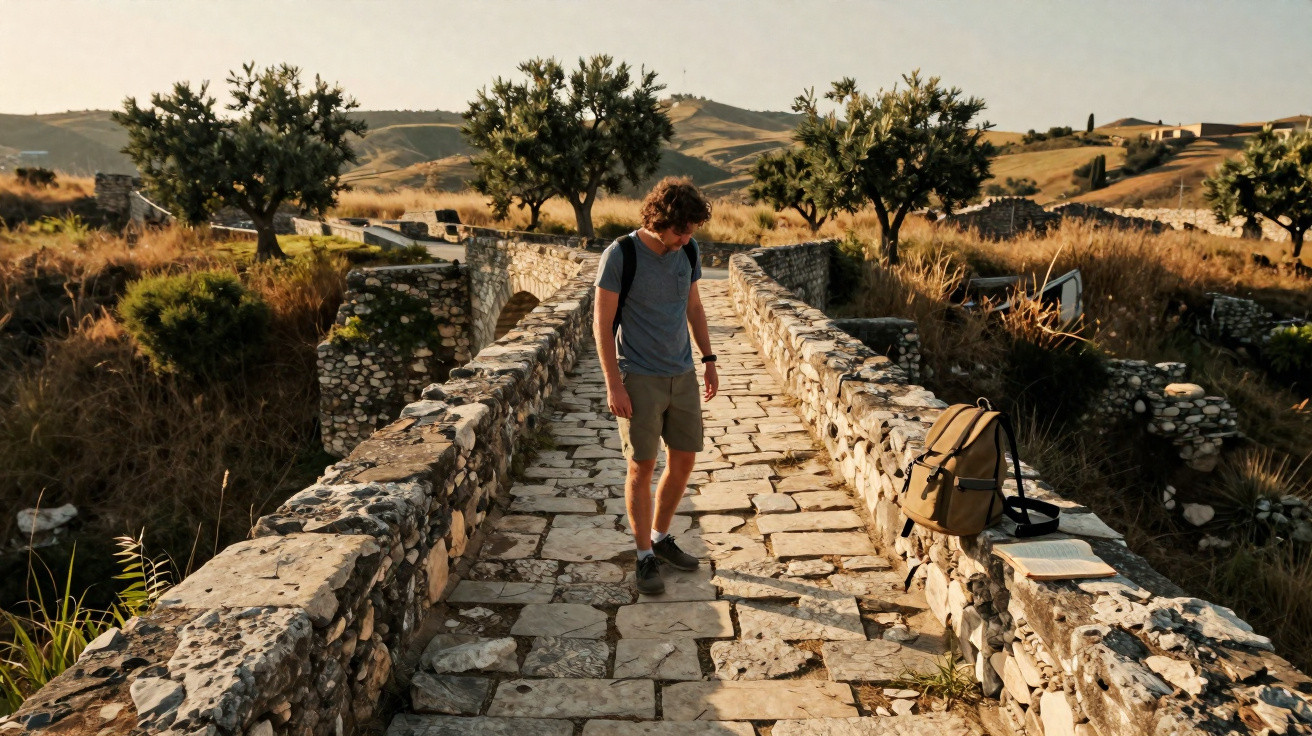
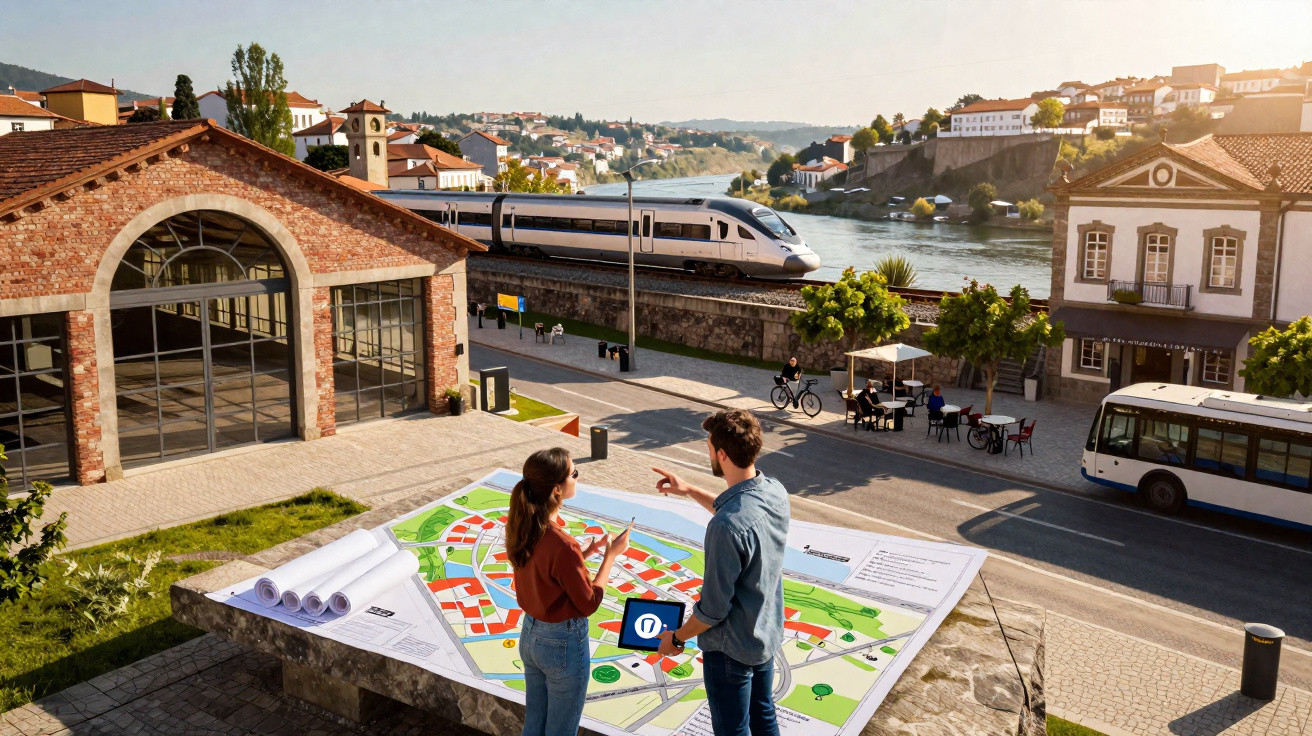
The project is organised around four actions: enhancing the archaeological site of the Castro do Monte Castêlo; rehabilitating the Azenha do Castêlo Mill Factory; carrying out a technical study for the future reconstruction of the Guifões Medieval Bridge; and improving access along the banks of the River Leça.
Within the Azenha do Castêlo Mill Factory component, the plan includes setting up a new workshop to support excavation activities, as well as a new exhibition space telling the story of the origins of the municipality’s industrial heritage, with particular emphasis on the architectural evolution of the Azenha do Castêlo Mill Factory. The proposal also includes creating a panoramic viewpoint over the landscape and converting an existing water tank into an experimental nursery to help regenerate the biodiversity of the River Leça. "Only now can we do this, because up to now we were constrained by the fact that the land was privately owned", Fernando Rocha explained.

Comments
No comments yet. Be the first to comment!
Leave a Comment